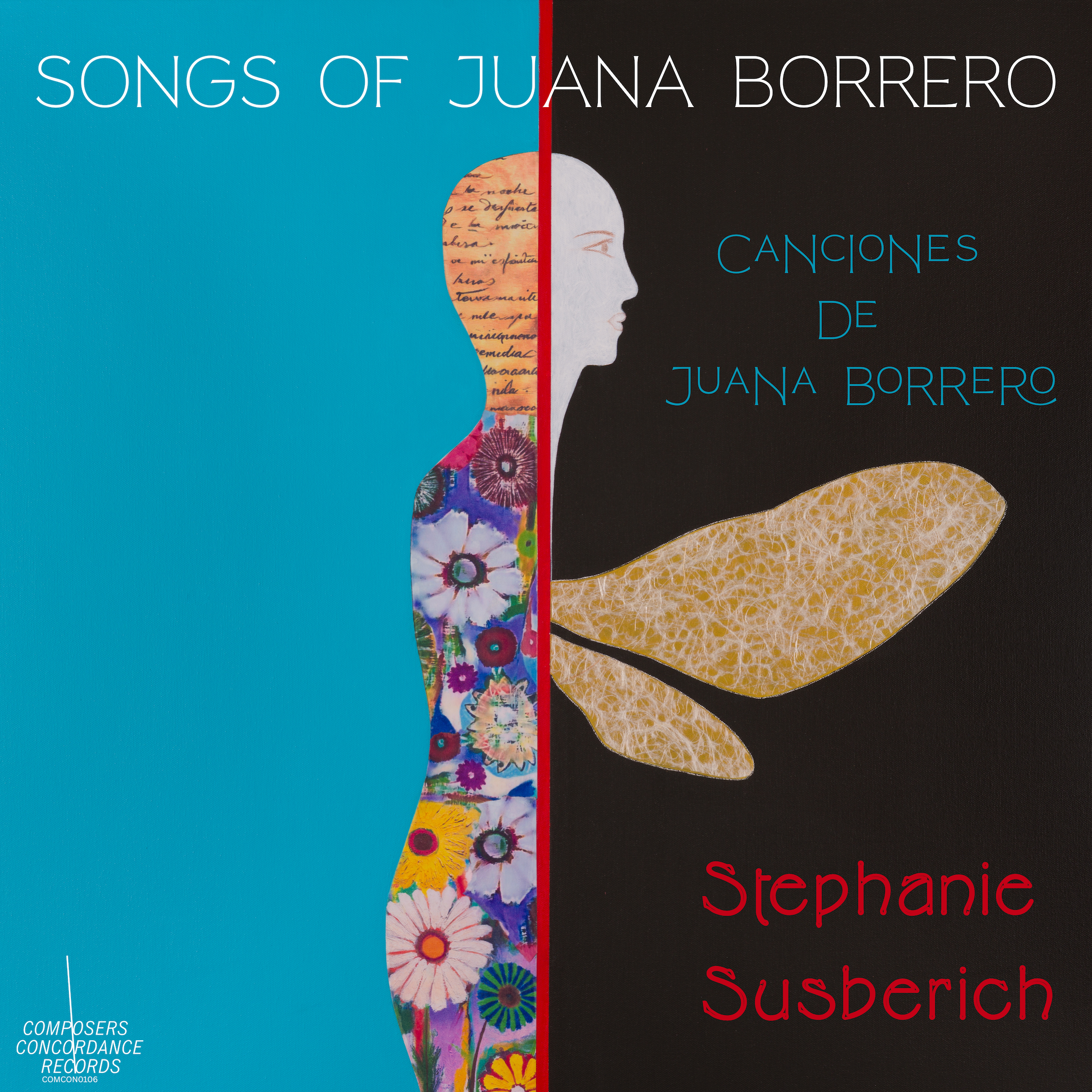
Original art by Cuban painter, Hector Frank.
Songs of Juana Borrero is a cycle of songs drawn from the incandescent poetry of the Cuban writer Juana Borrero (1877–1896). The cycle is primarily scored for voice and piano, while selected movements also incorporate cello, electronics, and hand chimes.
These pieces do not merely set her words; they listen for the tremor beneath them. Insomnia, vision, spiritual hunger, impossible longing, ecstasy edged with despair — Borrero writes as if the soul were made of flame. The music answers not by softening that fire, but by giving it breath.
Some songs remain close to the human grain of the voice, held by piano like shadowed architecture. Others open into electronic atmospheres where resonance blurs time and memory becomes audible. The cello appears as both companion and witness — sometimes braided with the vocal line, sometimes speaking alone. And when hand chimes enter, they do so like distant bells: brief, lucid, almost sacred.
Released on Composers Concordance Records on March 6, and presented as part of Carnegie Hall’s United in Sound: America at 250 festival in collaboration with the Cuban Cultural Center, this project offers contemporary breath to a voice history nearly allowed to vanish.
What follows is an archive of the poems, my original English translations, and the visual and musical architecture that carries them forward.