Who was Juana Borrero?
Juana Borrero (May 18, 1877– March 9, 1896) was a Cuban poet, painter, and prodigious voice of early modernismo, whose work is marked by an intense fusion of lyricism, mysticism, and emotional extremity. Writing in her adolescence, she cultivated a poetic world of longing, transcendence, and inner vision that set her apart even among her contemporaries.
In her lifetime, Borrero was publicly renowned and published, yet deeply misunderstood—her intensity often reduced or misread by the very circles that recognized her talent. After her death, her legacy faded, her work relegated largely to a footnote alongside the male contemporaries of her day, even those who admired her and openly praised her genius.
Her brief life was shaped by a profound and consuming love for the poet Carlos Pío Uhrbach, who, at the time of her death, was in Cuba fighting in the war for independence while she lived in political exile in Key West. Equally significant was her friendship with the renowned Cuban poet Julián del Casal, who recognized her rare sensitivity and artistic depth, “seeing” her as no one else truly could; he himself died young, before her, of an aneurysm.
Borrero perished at just eighteen years old from tuberculosis, far from her homeland. Carlos died one year later in the war, carrying her letter and photograph in his pocket. Together, their lives form a brief, incandescent chapter in literary history—one in which art, love, and loss remain inseparable.
“For some, I am an intellect who works unconsciously, driven by imagination… For others I am a fiery temper tormented by the fever of emotions… Others discover in me a maleficent power which they cannot quite fathom, but which predisposes them against me in a way that is anything but favorable.”
— Juana Borrero
“Juana Borrero had the premonition of her premature end. She loved Death and at the same time it inspired horror in her. This dualism will not be comprehensible, but it was actually real. She knew to dedicate her pen only to coloring elevated subjects, chiseling impeccable verses, because her motto was “Art for Art’s sake.” Her disdain for the vulgar was as great as her talent!…
I have known only how to love her, as I will now know only how to remember her, weeping…”
— Carlos Pio Urbach
“Thus fate had this poor and harmonious girl chained to an unknown and divinely magnetic fiber, from which the supreme tremors of mystery came to her, but which was shortened with fatal greed by the hands of death.”
— Ruben Dario
All quotes have been translated by Dr. Susberich from their original Spanish.
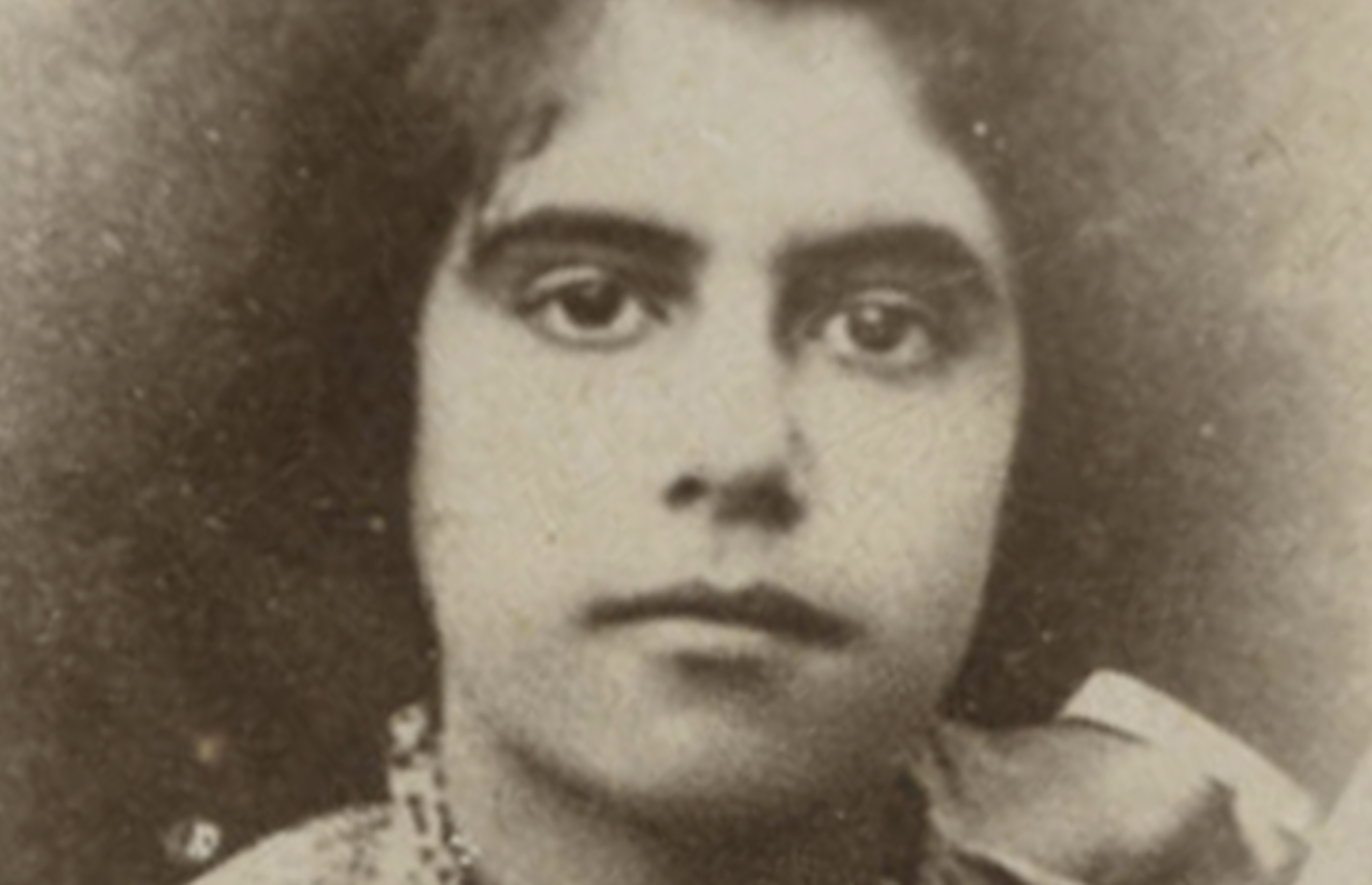
Juana Borrero